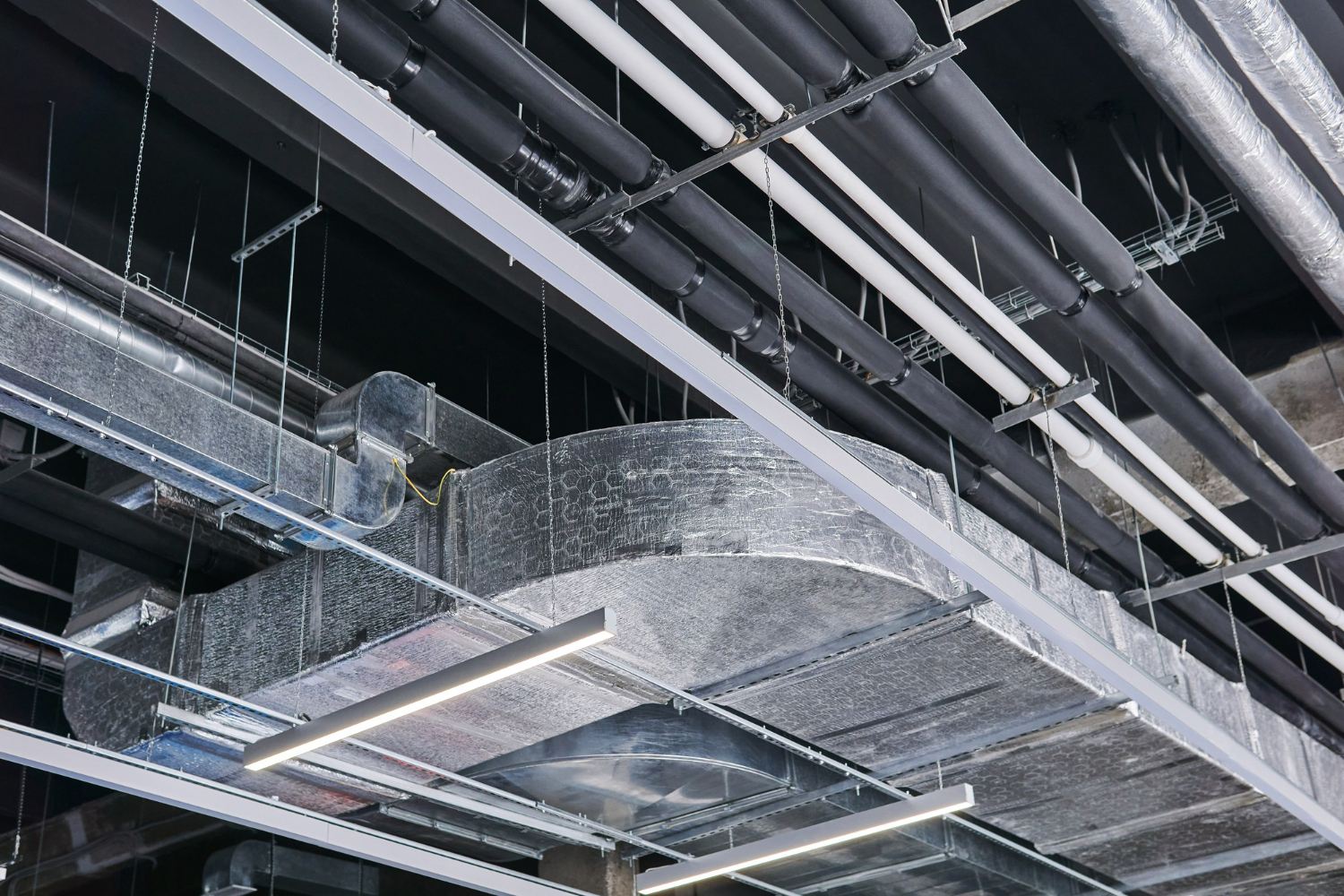
Rectangular Ducting
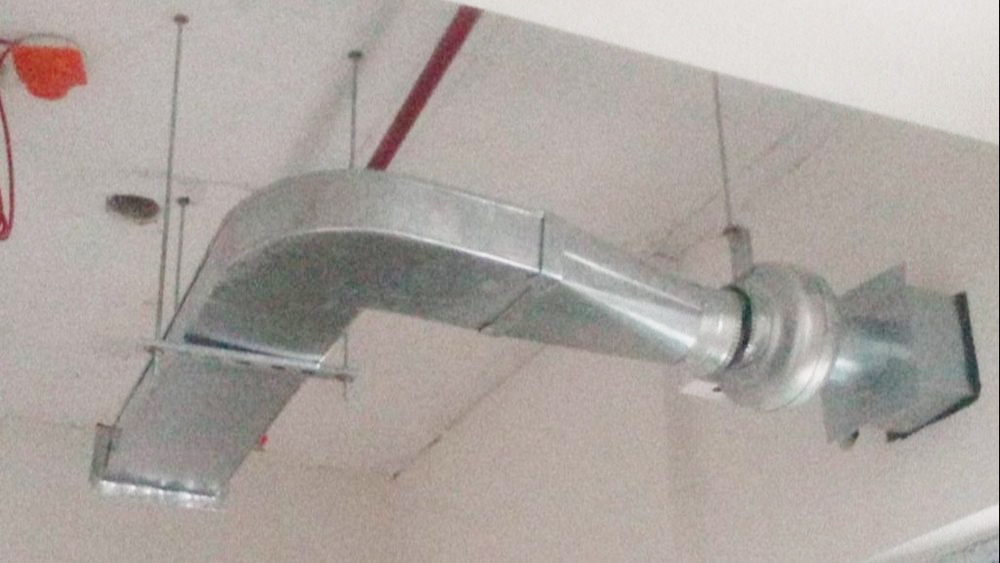
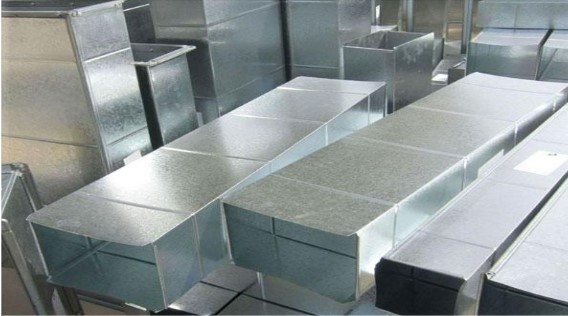
Rectangular ducting is a type of air duct used in heating, ventilation, and air conditioning (HVAC) systems to transport air throughout a building. Known for its flat sides and right-angle design, rectangular ducting offers a space-saving alternative to round ducting, making it ideal for tight spaces or when aesthetics require a low-profile installation. Here are key points about rectangular ducting
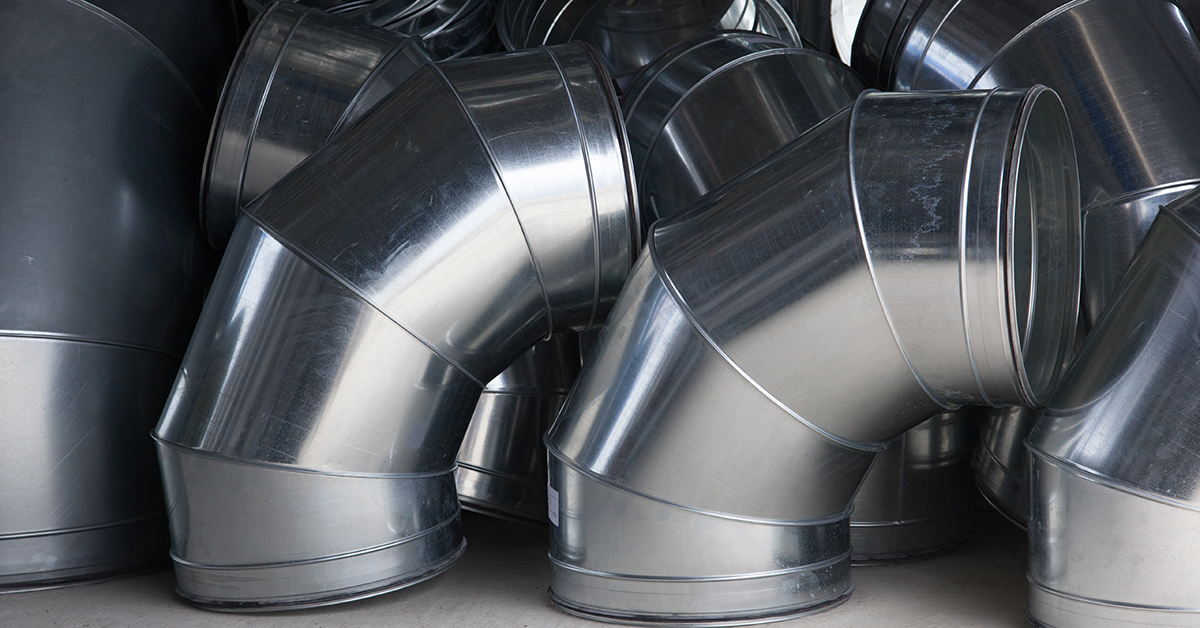
Round Ducting
Round ducting is a type of air duct commonly used in heating, ventilation, and air conditioning (HVAC) systems to distribute air efficiently throughout a building. Known for its cylindrical shape, round ducting offers advantages in airflow efficiency and is popular in both residential and commercial installations. Here’s a detailed look at round ducting
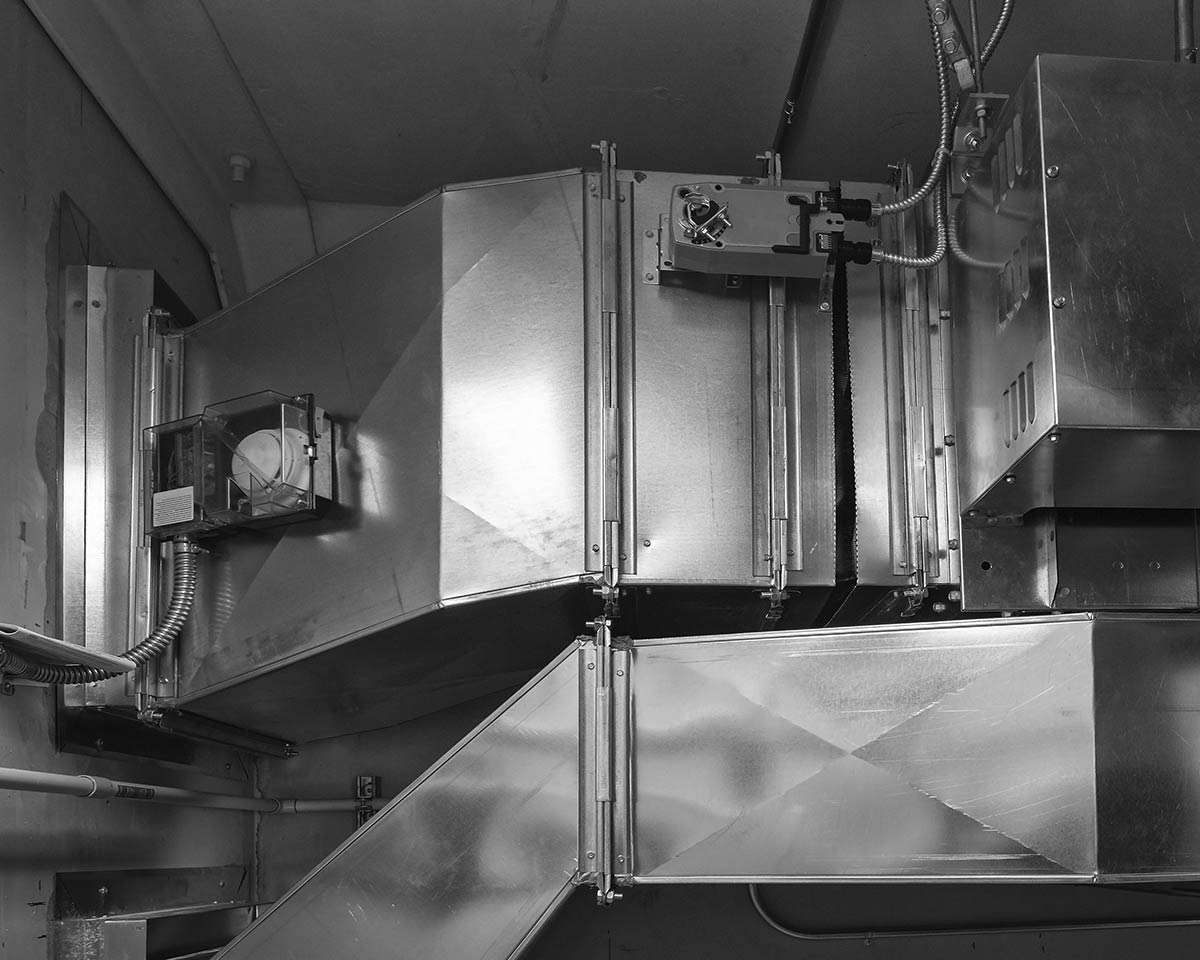
Fire Retardant Ducting
Fire retardant ducting is specialized ductwork designed to resist high temperatures and prevent the spread of fire and smoke through HVAC systems, a critical feature in building safety. Often used in commercial and industrial settings, this type of ducting ensures that, in the event of a fire, the ducts won’t easily catch or spread flames, helping to protect occupants and minimize structural damage. Here’s an overview of fire retardant ducting
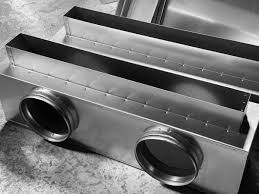
Plenum Boxes
Plenum boxes are essential components in HVAC systems, used to distribute and regulate airflow from ductwork into individual vents or diffusers in a room. By serving as an intermediary chamber, a plenum box helps to balance and manage the flow of air, reducing turbulence and ensuring an even, comfortable distribution. Here’s an overview of plenum boxes
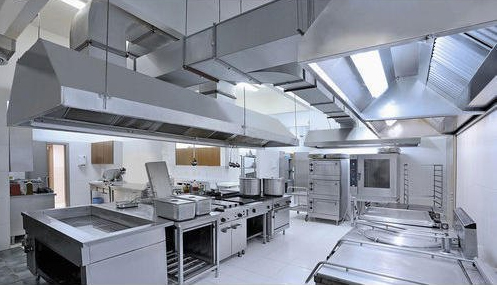
kitchen Ducting
Kitchen ducting is a critical component of commercial and residential kitchen ventilation systems, designed to remove smoke, grease, odors, and moisture produced during cooking. By safely exhausting this air outdoors, kitchen ducting helps maintain indoor air quality, prevents grease buildup, and enhances fire safety.
Toilet Ducting
Toilet ducting, also known as bathroom exhaust ducting, is a ventilation system specifically designed to remove moisture, odors, and pollutants from bathrooms and restrooms. By exhausting stale air outdoors, toilet ducting improves air quality, reduces humidity, and helps prevent mold and mildew growth.
Toilet ducting is essential for ensuring a comfortable, odor-free, and healthy bathroom environment. By efficiently removing moisture and pollutants, it prevents mold growth, reduces condensation, and maintains indoor air quality. Proper installation, sealing, and routine cleaning of toilet ducting are crucial for maximizing performance and longevity.
HVAC Ducting
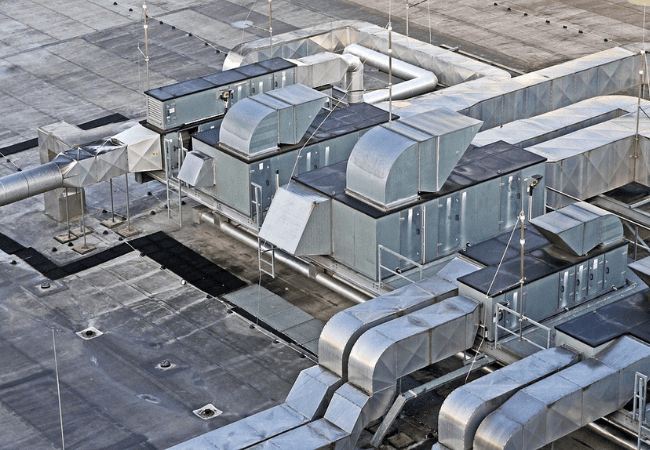
HVAC (Heating, Ventilation, and Air Conditioning) ducting is the network of ducts that distributes conditioned air throughout a building. It is an integral part of any HVAC system, as it channels heated or cooled air from the HVAC unit to various rooms, helping maintain comfortable temperatures, good air quality, and efficient airflow.
Exhaust Ducting
Exhaust ducting is a specialized type of ductwork used to remove stale, contaminated, or excess air from indoor spaces to the outside environment. Found in both residential and commercial settings, exhaust ducting is essential for maintaining air quality, controlling moisture, and removing odors and pollutants. Here’s a closer look at exhaust ducting
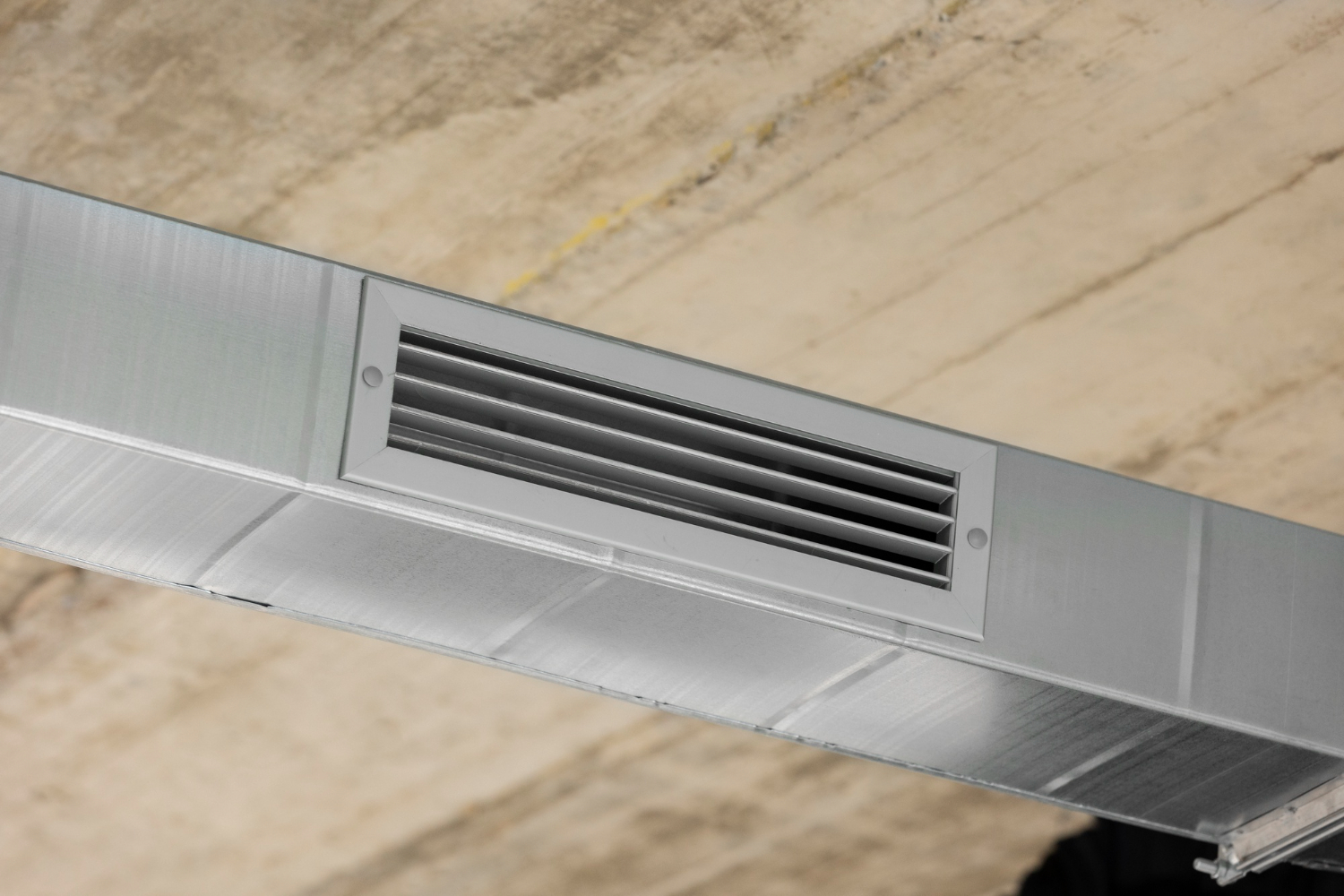
Air Conditioning Ducting
Air conditioning (AC) ducting is an essential part of HVAC (Heating, Ventilation, and Air Conditioning) systems, responsible for distributing conditioned air (either cooled or heated) throughout a building. The system ensures that air is evenly distributed, improving comfort, energy efficiency, and air quality.